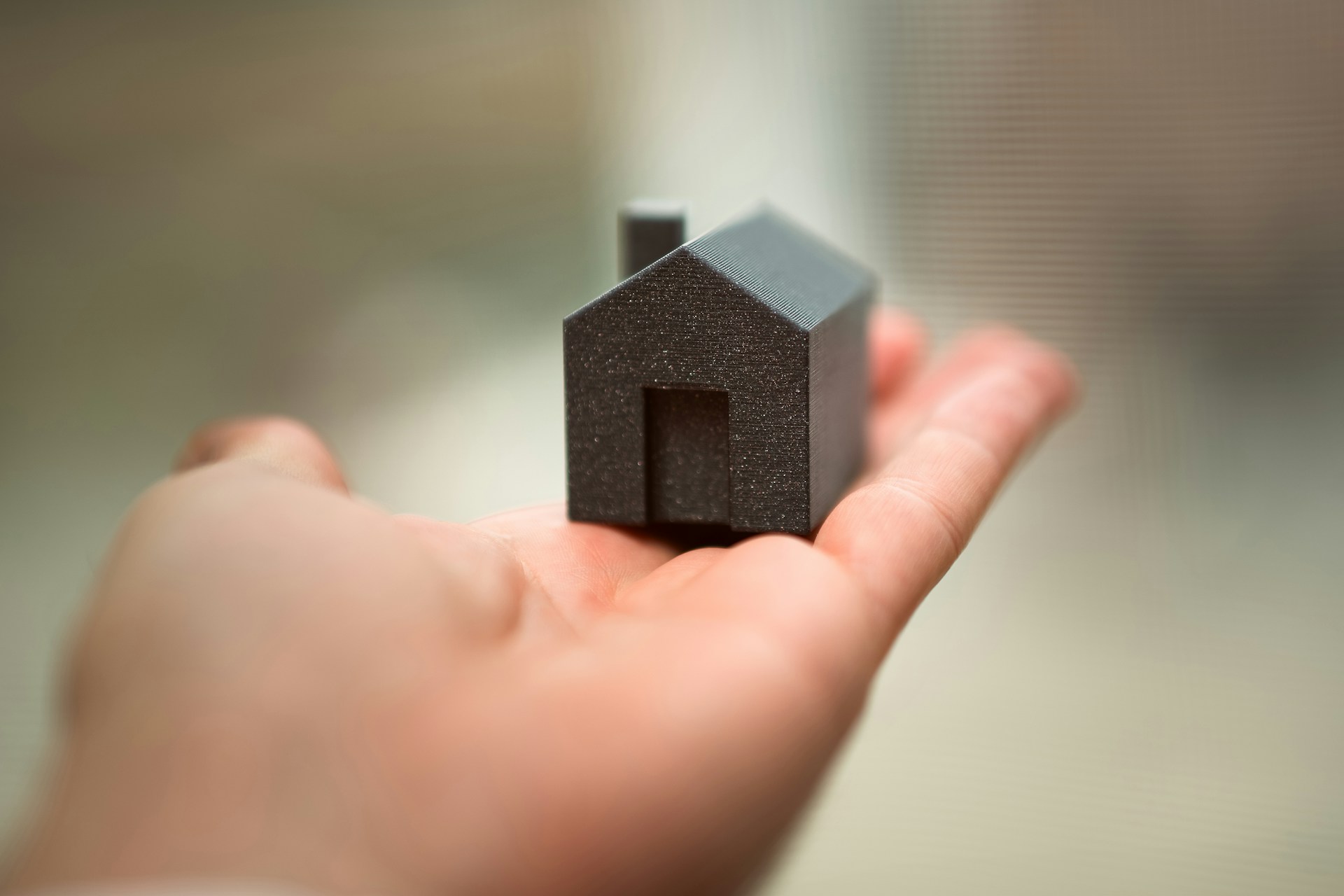
"According to the National Association of REALTORS®, the median sale price of an existing U.S. home has risen materially over the past five years to approximately $416,000." With homeownership becoming increasingly expensive, a structured savings plan matters more than ever. Read on to learn how to save for a house, what a realistic budget looks like, and how common savings vehicles, including deposit accounts and multi-year guaranteed annuities , differ in liquidity, insurance coverage, and tax treatment.
How to start saving for a house: 6 strategies
Breaking the process into deliberate steps can help make a savings goal more manageable. The sooner you build a plan and put it into action, the sooner your savings goal stops feeling like an obstacle and starts feeling achievable. Here are seven common strategies.
1. Set a realistic purchase timeline and price range
Before you even think about savings accounts or budgets, ask yourself two questions:
- When do you want to buy?
- How much will the home cost?
The answers show you how much you need to save to buy a house. Look at homes in your target neighborhoods and sort by selling, not listing prices. This shows you what people are actually bidding to win. Zoom in on a specific price range, then determine a purchasing timeframe. Your goals determine the savings tools that make sense. Different savings products have different features. Deposit accounts (checking, savings, HYSA, MMA, CDs) offered by FDIC-insured banks are insured up to applicable FDIC limits; multi-year guaranteed annuities (MYGAs) are insurance contracts that are not FDIC-insured, generally have multi-year surrender-charge periods, and may impose a 10% additional federal tax on withdrawals of earnings before age 59½ (IRC §72(q)). Which product is appropriate depends on the individual's timeline, liquidity needs, age, tax situation, and risk tolerance; this article is not a recommendation of any product.
2. Break your down payment target into monthly savings
Consider necessary future costs, and break them down into monthly installments. Most buyers should plan to save for a down payment, closing costs, and a small contingency cushion. Let's say these numbers total to around $120,000. With a five year goal, monthly savings would be about $2,000 a month. Saving a consistent amount over time leads to steady progress, even if your estimates aren't perfect.
3. Build a 50/30/20 or zero-based budget and identify reallocations
A budgeting plan helps you see where you can reallocate money to hit your savings target sooner. With a 50/30/20 budget, you put 50% of your money toward needs, 30% toward wants, and 20% toward savings. This strategy contributes a set amount into your house fund monthly. You can take this a step further. For example, you might trim 5% off discretionary spending to put even more into savings. A zero-based budget works similarly, assigning every dollar to specific areas. You attach money to specific goals, like utilities, savings, and home savings. This ensures you account for every cent, and a little goes a long way over time.
4. Automate savings with payroll split or recurring transfers
Automation lets you set it and forget it. There are a couple of ways to transfer money into savings automatically:
- Payroll split: Your employer directs a portion of your paycheck to your savings account.
- Recurring transfers: When income hits your checking account, the bank's system sends a portion to savings.
5. Protect your emergency fund
Keep home savings separate from your contingency funds. While they're both savings pools, paying for your future home shouldn't dip into emergency cash reserves. Emergency money protects you from unexpected costs like car issues, home repairs, and medical bills.
6. Use windfalls and raises to jumpstart the fund
If you inherit cash or get a bonus at work, direct as much as possible to your house fund to speed your progress. It's similar when you get a raise: Send any additions to your paycheck straight to your house fund.
How much do I need to save to buy a house?
There's no universal home savings target. It varies by location, your budget, and the type of mortgage you secure to finance it. Start with your ideal purchase price, and plan around these elements:
- Down payment: The down payment for a home typically ranges from 3.5% to 20%, though it can vary depending on your chosen loan and mortgage provider. Remember that down payments under 20% on most conventional loans typically require private mortgage insurance (PMI), which adds an extra fee to monthly costs. Some loan programs (for example, VA loans) do not require PMI even at lower down payments; consult a licensed mortgage lender for programs you may qualify for.
- Closing costs: These account for a range of services, like appraisal and underwriting. They're typically 2% to 5% of the home purchase price.
- Reserves and cushion: These funds cover additional costs like movers, new furniture, and repairs. You may also want to set aside 1–2 months of mortgage payments. Generally, try to save about 1% of the home purchase price for reserves.
If you buy a home below the median — say $250,000 — you're looking at closing costs of around $7,500 and a cushion of $3,000. If you put down 3.5%, that adds $8,750. This totals $19,250. Down payment is a major variable that affects your end savings goal. Say you're aiming for a $400,000 home. You put 20% down at $80,000, pay $10,000 in closing costs, and reserve a cushion of $4,000. Your total savings goal should be around $94,000. These figures are illustrative; actual costs vary by lender, loan program, location, and property.
Tips for saving money for a house
Saving money for a house often comes down to organizing the budget you already use. A few decisions and a cleaner structure, not wholesale changes, are all you need. Here are a few tips to boost your savings.
Tighten discretionary spend
Take a look at your non-essential expenses, and see where you can cut back. For example, if you currently eat out three times a week and spend $75 each time, skipping one dinner equals roughly $300 in monthly savings. Whenever you trim optional spend, transfer the savings to your house fund to build more over time.
Use cash-back and rewards responsibly
If your credit card offers cash back, put the rewards into your home fund. No matter how small, these amounts add up. The same goes for automatically rounding up on purchases. A few cents or dollars each day quickly add up.
Optimize fixed bills
Look at fixed expenses where you can spend less without sacrificing your needs. Finding more affordable insurance premiums or internet services trims excess money off your monthly costs. You can also eliminate unnecessary bills, like subscriptions you don't use.
Use gifts and family help correctly
If you receive monetary help, treat it like a tool, not a shortcut. Put it into your account, and continue to budget and build your home savings pool. Money from family should help shorten your timeline, not reshape a financially prudent plan. If a gift is intended to be applied to a mortgage down payment, most lenders require a gift letter and specific documentation; consult the lender for their requirements.
This article is intended for informational purposes only. It is not intended to provide, and should not be interpreted as, individualized investment, legal, or tax advice. Gainbridge Save℠ digital platform provides informational and educational resources intended only for self-directed purposes. This article is not a recommendation to open, hold, or close any deposit account or to purchase, hold, or surrender any insurance product. Deposit-account features (rates, fees, minimums, insurance coverage) vary by institution and are governed by the account's Truth in Savings disclosure. Annuity features vary by contract and by state; guarantees are subject to the claims-paying ability of the issuing insurance company. Mortgage and closing-cost figures are illustrative and vary by lender, loan program, and location.




.jpeg)